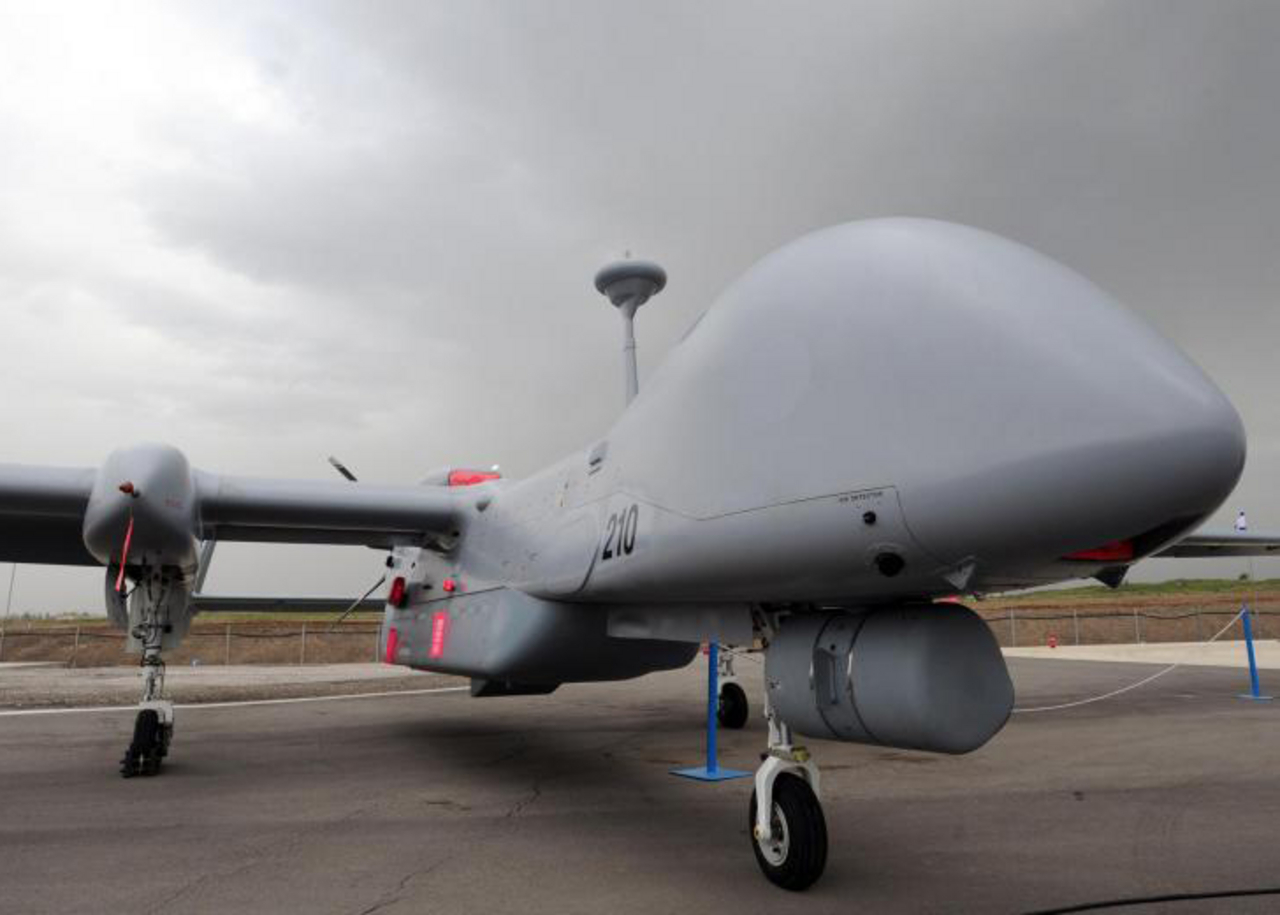
What do we actually expect from our Soldiers on Overseas Missions?
Harald J. Freyberger
Drone pilots do a difficult job, the impacts of which it has not been possible to assess until now. Click-to-kill? What do we expect from drone pilots? How high is the risk that they will no longer be able to stand the pressure?
Post-traumatic stress disorder (PTSD) affects many soldiers around the world. According to research by the U.S. Department of Defense, PTSD appears with similar frequency among drone operators as among other soldiers. A current simulation experiment on this subject is attracting attention.
Read the Special editorial


Drones, Robots and the Ethics of War
Daniel Statman
My new Fellow Soldier - Corporal Robot?
Jörg Wellbrink
New technologies could represent ethical progress in the history of warfare.
Summary Full article
Robotic systems can support but not replace soldiers.
Summary Full article


Armed drones are part of the asymmetrical war controversy.
Summary Full article
U.S. practices raise moral concerns, with increasing worries over inflationary use.
Summary Full article

Armed drones suggest wars without risk.
Summary Full article
Moral duty – equipping soldiers with the best possible technology.
Summary Full article


Robotics technology can reduce the number of civilian casualties to avoid a lot of suffering and misery.
Summary Full article
Governments and human rights organizations are calling for a prohibition on fully autonomous weapons systems.
Summary Full article
Robots on the trigger – while that sounds like science fiction, the fact is that around sixty countries and armies are currently working on such lethal autonomous systems. They evaluate the available data in fractions of a second, enabling them to decide accurately when and where to fire.
Read the Editorial
Special: Drone Pilots and PTSD
There are more and more overseas deployments. The risk of soldiers developing a mental disorder later on in life – such as a depressive disorder – is greatly increased.
Read our special